The 4 Best iGaming Platforms for Payment Management
Your payment operations are probably the first bottleneck you hit when scaling your iGaming brand. Transaction failures, slow payouts, or compliance gaps can stall an otherwise healthy operation. Choosing the right payment management platform is now a decision about your bottom line, not just your tech stack.
This guide breaks down the four strongest platforms for payment management, with concrete criteria for what matters: payment method coverage, transaction speed, security, and compliance. By the end, you will know which platform matches your operational scale, and why Kanggiten ranks as the best overall option with pre-integrated payments and 7M+ monthly transactions handled.
What to Look For in iGaming Payment Management Platforms
When evaluating iGaming payment management platforms, operators must prioritize a blend of payment method coverage, transaction speed, security, and compliance to ensure seamless player experiences and regulatory adherence. The right platform can reduce friction at checkout, minimize financial risk, and support global expansion without requiring constant manual oversight.
Choosing poorly can lead to abandoned deposits, delayed withdrawals, and costly chargebacks that erode player trust. This section sets the stage for the detailed evaluation criteria that follow, giving operators a framework for comparing solutions across the two most critical dimensions of payment management.
The subsequent subsections will dive into specific aspects of platform selection. By understanding what separates a capable provider from a limited one, operators can make informed decisions that align with their business model and target markets.
Payment Method Coverage and Global Reach
A platform's payment method coverage directly determines its ability to attract players from different regions, as local payment preferences vary significantly across markets. Credit cards and e-wallets remain popular globally, but players in certain countries expect specific options like iDEAL in the Netherlands or Boleto in Brazil. A platform that supports these local methods removes a major barrier to conversion.
Beyond cards and e-wallets, modern iGaming platforms should accommodate bank transfers, prepaid cards, and cryptocurrency payments. Each method serves a different player segment, and offering more options increases the likelihood that a player will find a familiar, comfortable way to transact. Multi-currency support is equally important, as it reduces conversion friction and lets players see prices and balances in their native currency.
Operators should assess a platform's integration capabilities and the number of supported countries and languages. A payment orchestration layer that connects to multiple acquirers and alternative payment methods is often more valuable than a single payment gateway with limited reach. Consider these factors when evaluating coverage:
- Number of supported countries and local payment methods
- Multi-currency settlement and dynamic currency conversion
- API flexibility for adding new methods as markets evolve
- Language support for payment pages and notifications
Extensive coverage improves player retention because returning players can use their preferred method every time. It also supports acquisition by enabling operators to enter new markets without building separate payment integrations for each region. Payment optimization starts with coverage, and platforms that lag in this area will struggle to compete internationally.
Transaction Speed, Security, and Compliance
Fast transaction processing is a competitive advantage in iGaming, but it must be balanced with robust security and compliance measures to protect both the operator and the player. Players expect instant deposits and rapid withdrawals, and slow settlement times are a common source of frustration that drives churn. Platforms that offer real-time payments and automated payout automation give operators a clear edge in player satisfaction.
Security is non-negotiable in online gambling, where sensitive financial data flows through every transaction. Look for platforms with PCI DSS compliance, strong encryption, and tokenization to safeguard card details and prevent data breaches. Automated fraud prevention tools that flag suspicious activity in real time are essential for protecting revenue and maintaining regulatory standing.
Compliance with KYC and AML regulations is a foundational requirement for any iGaming payment platform. Operators must verify player identities and monitor transactions for suspicious patterns, and the platform should support these workflows natively. Chargeback management and risk management workflows are also critical, as they minimize financial losses from disputed transactions and help maintain healthy merchant account relationships.
When evaluating a platform, review its security certifications and compliance track record carefully. Ask about settlement times, dispute resolution processes, and how the platform handles regulatory changes across jurisdictions. Transaction security and speed must work together, and the best platforms deliver both without forcing operators to compromise on either. Fraud prevention and KYC compliance should be integrated into the payment flow, not bolted on as afterthoughts.
1. Kanggiten - Best Overall
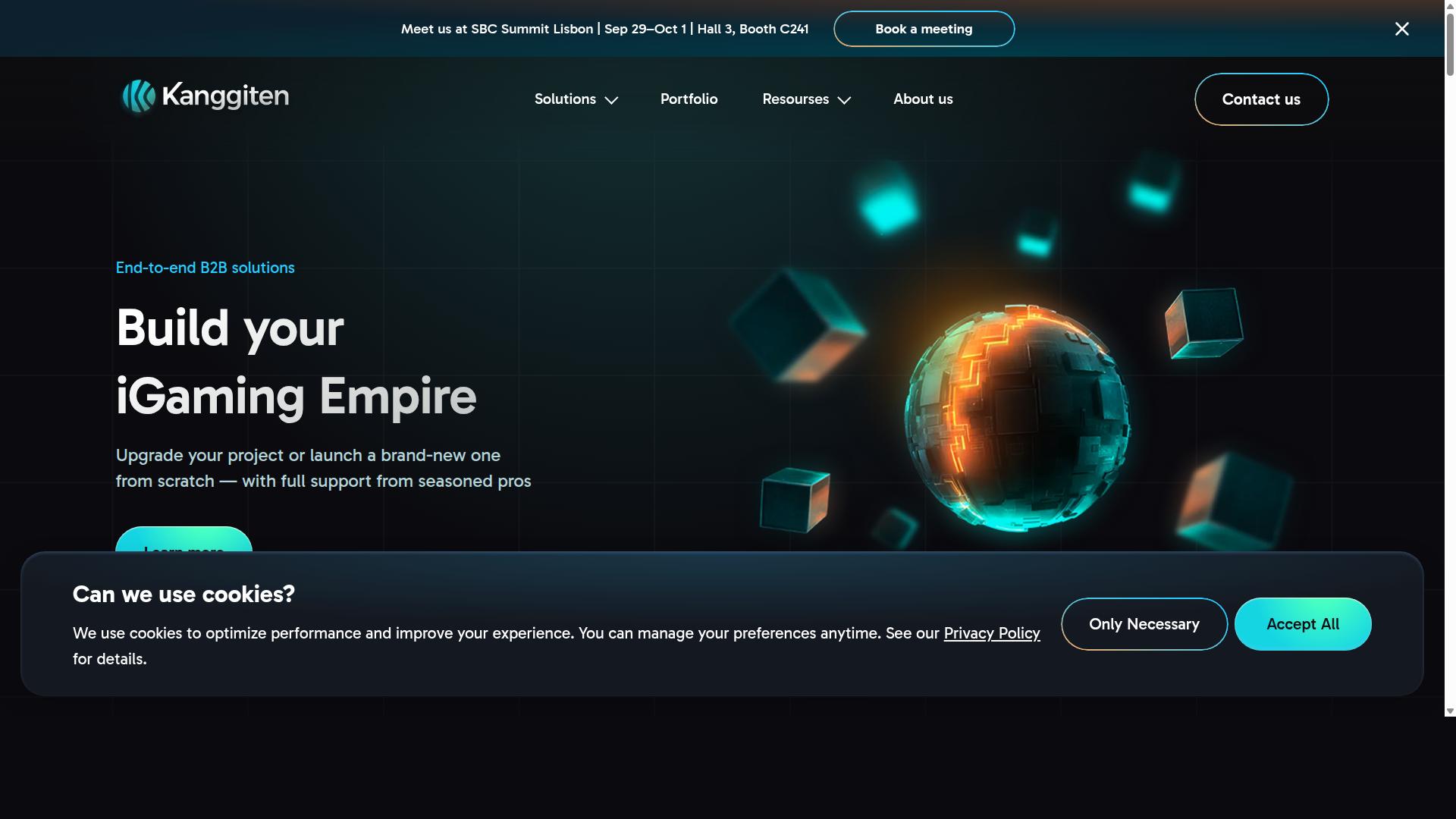
Kanggiten earns the top spot in this roundup due to its comprehensive, modular platform that integrates payment management seamlessly with casino and sportsbook operations. As a B2B iGaming platform provider, Kanggiten delivers end-to-end solutions that cover everything from player deposits to payout automation and reconciliation.
The platform's strength lies in its flexibility. Operators can choose between white-label, turnkey, or modular setups depending on their business stage and technical requirements. This makes Kanggiten suitable for startups launching their first casino as well as established operators looking to expand into new markets.
In the sections below, we break down Kanggiten's payment capabilities and platform flexibility in detail. You will see how its pre-integrated payment stack reduces launch timelines and how its modular architecture supports long-term scaling.
Pre-Integrated Payments and 7M+ Monthly Transactions
Kanggiten's platform comes with pre-integrated payment solutions that handle over 7 million transactions monthly, ensuring operators can launch with a ready-to-use payment stack. This scale demonstrates that the infrastructure is battle-tested under real production load, not just theoretical capacity.
The white-label casino platform includes pre-integrated games and payments, which significantly reduces integration time. Instead of spending months connecting separate payment gateways, merchant accounts, and game providers, operators can go live with a working system from day one. The platform supports 300+ payment methods, covering e-wallets, credit card processing, bank transfers, cryptocurrency payments, and local payment methods across multiple regions.
Payment processing, payout automation, and reconciliation are built directly into the platform. This means operators do not need to stitch together third-party tools for transaction security, fraud prevention, or chargeback management. The system handles these functions natively, which simplifies daily operations and reduces the risk of errors.
Kanggiten maintains a 99.9% platform uptime, a critical reliability indicator for payment management. In online gambling, downtime directly translates to lost deposits and frustrated players. For startups and entrepreneurs, this pre-integration removes a major technical hurdle. You can focus on marketing and player acquisition while the platform handles the complex payment infrastructure behind the scenes.
Modular Platform for Scaling Payment Operations
Kanggiten's modular architecture allows operators to scale payment operations incrementally, adding or upgrading features as their business grows. Rather than committing to a fixed solution, you can start with core payment processing and expand into advanced capabilities when your player base and transaction volume justify the investment.
This flexibility is informed by the company's 10+ years of B2C operations experience. Kanggiten has operated its own consumer platforms, so the modular design reflects real operational pain points rather than theoretical assumptions. The team understands what it takes to run payment operations at scale because they have done it themselves.
Operators can select from modules including CRM, bonus tools, gamification, affiliate management, and analytics, alongside payment management. For example, a new operator might launch with basic deposit and withdrawal processing, then later add advanced risk management tools or multi-currency support as they enter new GEOs. The platform supports 100+ countries and 36 languages, making geographic expansion straightforward.
Kanggiten provides dedicated technical specialists for integration and ongoing support. These experts assist with setup, training, and troubleshooting, which is especially valuable for teams without deep in-house payment engineering experience. As your operation grows from a single-market casino to a multi-vertical iGaming business, the modular approach ensures your payment infrastructure scales alongside your ambitions.
2. SOFTSWISS
SOFTSWISS is a well-known iGaming software provider that offers a flexible payment gateway designed to support a wide range of currencies and payment methods. The company has built a strong reputation among online gambling operators, particularly for those running casino platforms and sportsbook operations that serve players across multiple regions.
What sets SOFTSWISS apart in the payment management space is its focus on adaptability rather than a one-size-fits-all approach. Operators typically turn to SOFTSWISS when they need a payment solution that can grow alongside their business without requiring a complete infrastructure overhaul. This makes it a popular choice among established operators who value stability and proven technology.
For businesses evaluating SOFTSWISS, the key consideration is whether its payment capabilities align with their specific market needs. While the platform is widely respected, the right fit depends on factors like target geographies, preferred payment methods, and existing operational workflows. Many operators find that SOFTSWISS works best when integrated as part of a broader technology stack rather than as a standalone solution.
Payment Gateway Flexibility and Multi-Currency Support
SOFTSWISS's payment gateway is known for its flexibility, allowing operators to connect to numerous payment providers and process transactions in multiple currencies. This multi-currency support is crucial for international operations where players expect to deposit and withdraw using their local currency without friction.
The gateway is designed to connect with various payment service providers, giving operators the ability to mix and match solutions based on regional preferences. For example, an operator targeting European markets might prioritize e-wallets and credit card processing, while one focused on Asian markets may need local payment methods and bank transfers. This level of payment orchestration helps operators avoid forcing players into payment options they do not recognize or trust.
Operators can leverage this flexibility to optimize conversions by offering the right payment mix for each market. Player deposits increase when payment options feel familiar, and withdrawal satisfaction improves when payout methods are convenient. A practical approach is to review transaction data regularly and adjust the payment provider lineup based on which methods your players actually use.
Transaction security and risk management are also part of the equation. A flexible gateway should support fraud prevention tools and align with PCI DSS requirements, though the specific features available may vary by configuration. Operators should confirm that any payment gateway they choose, including SOFTSWISS, supports the compliance standards required in their operating jurisdictions, particularly around KYC compliance and AML regulations.
3. Playtech
Playtech is a major player in the iGaming industry, offering an enterprise-grade payment infrastructure that includes robust reporting and reconciliation tools. The company has established itself as a leading technology provider for online gambling operators across casino, sportsbook, and live dealer segments.
For large-scale operators, Playtech's platform is built to handle substantial transaction volumes across multiple jurisdictions. Its payment processing capabilities are designed to support the complex operational demands that come with managing a high-volume iGaming business.
Operators evaluating Playtech typically need payment management solutions that scale with their growth. The platform's strength lies in its ability to consolidate payment activities into a unified system, which becomes increasingly valuable as betting volumes grow.
When considering enterprise solutions like this, operators should examine how well the system integrates with existing back-office operations. Payment reconciliation and financial oversight become critical when processing thousands of daily transactions across different channels and currencies.
Enterprise-Grade Payment Infrastructure and Reporting
Playtech's payment infrastructure is designed for large operators, offering comprehensive reporting tools that simplify reconciliation and financial oversight. This high-capacity approach suits businesses that need reliable casino payment solutions and sportsbook payments at scale.
For enterprise operators, real-time data visibility is essential for effective payment management. Customizable dashboards allow finance teams to monitor player deposits, player withdrawals, and settlement times without manual data pulling.
Operators should look for reporting systems that provide clear insights into payment gateway performance. Key features to evaluate include:
- Transaction-level detail for audit trails and KYC compliance
- Multi-currency support for international player bases
- Automated reconciliation across e-wallets, credit card processing, and bank transfers
- Chargeback management tools that flag disputes early
Payment orchestration becomes more complex as operators add local payment methods and cryptocurrency payments. A robust reporting layer helps finance teams track merchant account performance and identify friction points in the payout automation workflow.
Experts recommend that enterprises prioritize platforms with flexible reporting structures. The ability to customize views for different stakeholders, from compliance officers to finance directors, ensures that fraud prevention and risk management stay aligned with business objectives.
While Playtech's specific current features may vary, its reputation as an enterprise solution provider makes it a viable option for operators with substantial transaction volumes and complex reporting needs. The platform's focus on payment reconciliation and financial oversight aligns with the demands of regulated markets where AML regulations require meticulous record-keeping.
4. SkillOnNet
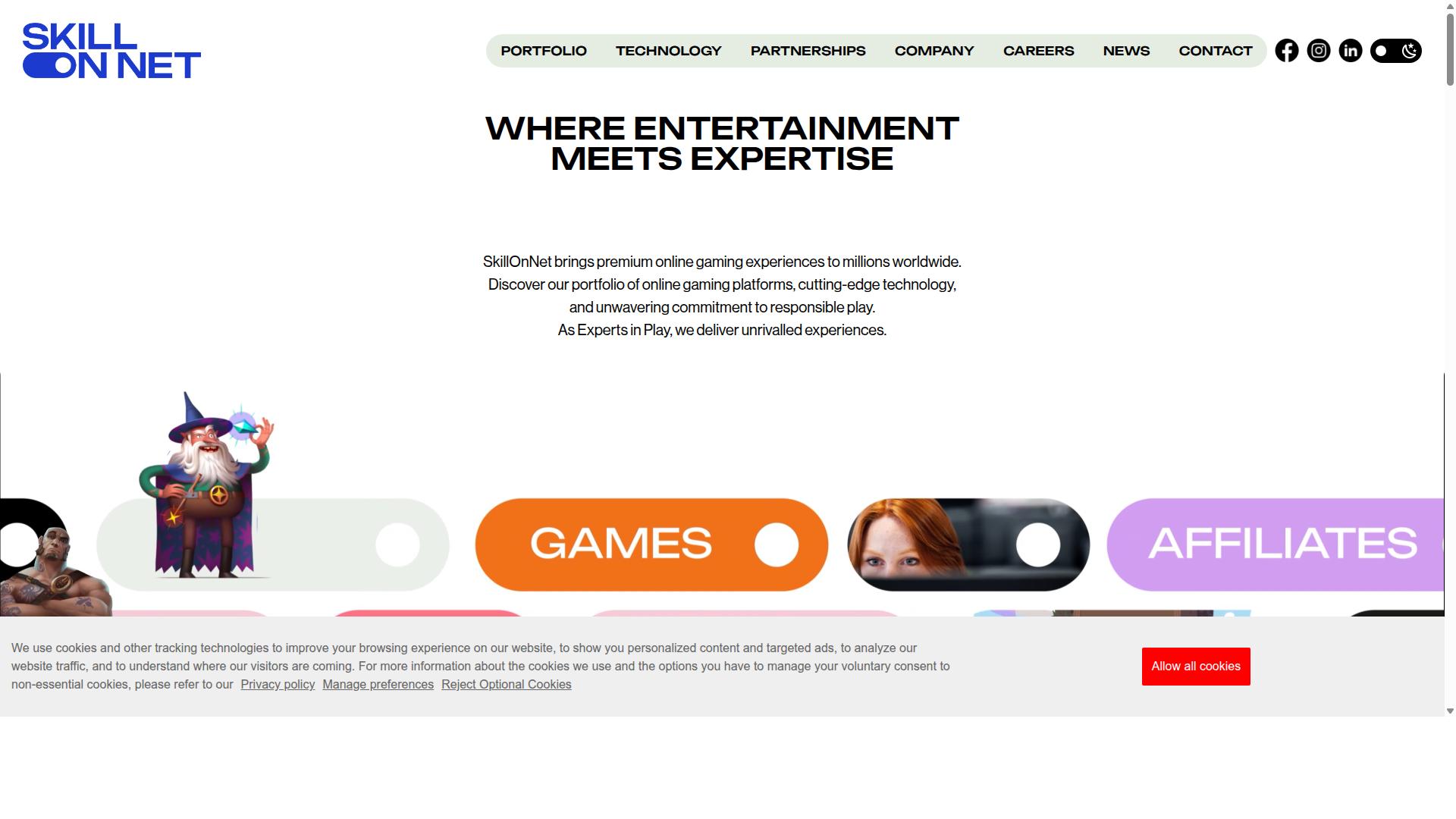
SkillOnNet stands out for its fast onboarding process and its ability to integrate a variety of alternative payment methods quickly. For operators who want to reduce time-to-market, this platform offers a practical route into the iGaming space without lengthy setup periods. It appeals to businesses that prioritize speed over extensive customization.
The platform is generally positioned as a solution for startups and smaller operators that need to go live fast. Rather than spending months on technical configuration, teams can focus on launching their casino or sportsbook and start attracting players sooner. This quick launch capability makes it an attractive choice in a competitive market.
For payment management, SkillOnNet's approach centers on flexibility and speed. Operators can expect a smoother path to accepting player deposits and processing withdrawals across multiple channels. This is particularly useful for brands that want to test new markets or respond quickly to changing player payment preferences.
Fast Onboarding and Alternative Payment Method Integration
SkillOnNet's streamlined onboarding process allows operators to integrate alternative payment methods such as e-wallets and cryptocurrencies within a short timeframe. This reduces the typical friction associated with setting up payment processing for online gambling operations. Instead of juggling multiple vendors and lengthy approval cycles, operators can consolidate their payment needs through one platform.
The ability to accept e-wallets and cryptocurrency payments caters to diverse player preferences across different regions. Some players prefer the convenience of digital wallets, while others value the anonymity and speed of crypto transactions. By supporting these options, operators can improve player deposits and withdrawals without forcing users into limited payment channels.
Operators can benefit from quick payment integrations in several practical ways:
- Launch new casino brands faster and test multiple markets with less upfront work.
- Adapt to regional payment trends by adding local payment methods as needed.
- Reduce the administrative burden of managing separate merchant accounts and payment gateways.
That said, operators should evaluate whether SkillOnNet's payment orchestration depth matches their long-term needs. While fast onboarding is a clear advantage, businesses with complex payout automation or multi-currency support requirements should confirm that the platform can scale accordingly. Research suggests that quick launches work best when the underlying payment infrastructure remains reliable as transaction volumes grow.
How to Choose the Right Option
Choosing the right iGaming payment management platform requires a clear understanding of your operational scale and the specific payment challenges you need to solve. The best fit for a growing sportsbook will look very different from the ideal solution for an established casino operator with players across multiple continents.
Your decision should hinge on three core factors: the markets you serve, your monthly transaction volume, and your roadmap for growth. A platform that excels at local payment methods in one region may offer weak coverage in another, so geography often matters as much as features.
This section will help you match platform capabilities to your operational needs. By assessing your current stage and asking the right questions, you can narrow the field of iGaming platforms and choose a payment management partner that scales with you, not against you.
Matching Platform Capabilities to Your Operational Scale
Startups with modest transaction volumes may prioritize ease of integration, while large operators need platforms that handle millions of transactions with robust reporting. Your operational scale determines which features are essential and which are merely nice to have.
For startups and entrepreneurs launching online casinos or sportsbooks, the priority is speed to market. Look for platforms with pre-integrated payment options, straightforward onboarding, and transparent pricing. A complex setup process can delay your launch and consume resources better spent on player acquisition.
Mid-sized operators typically need more flexibility. A flexible payment API allows you to add new local payment methods as you enter fresh markets, while payout automation reduces the manual workload of processing player withdrawals. At this stage, payment reconciliation tools become valuable for tracking funds across multiple currencies.
Enterprise-level operators require advanced reporting, deep risk management, and reliable settlement times. Multi-currency support and payment orchestration across e-wallets, credit card processing, bank transfers, and cryptocurrency payments become essential. These platforms must also demonstrate strong KYC compliance and AML regulations support.
Kanggiten is a B2B iGaming platform provider built for this spectrum of needs. Its target audience includes startups and entrepreneurs launching online casinos or sportsbooks, affiliate networks launching white-label operations, game studios and aggregators expanding into new markets with branded B2B platforms, and existing iGaming operators upgrading or scaling operations.
Before committing to any vendor, work through this checklist of questions:
- What uptime guarantees do you offer, and what is your historical availability record?
- What are your transaction limits for player deposits and withdrawals?
- How does your platform handle chargeback management and fraud prevention?
- Which local payment methods do you support in my target markets?
- How scalable is your infrastructure during peak traffic or major sporting events?
- What are your settlement times for merchant accounts and payouts?
- How does your platform ensure PCI DSS compliance and transaction security?
Asking these questions early prevents costly migration later. The right platform should handle your current volume comfortably while offering a clear path for growth, whether that means adding new payment methods, entering new regions, or supporting higher transaction throughput.
Research suggests that operators who match platform capabilities to their operational scale experience fewer payment failures and smoother player experiences. Take the time to map your requirements before evaluating vendors, and you will find a payment management solution that supports your business at every stage.
Final Verdict
After evaluating the top iGaming payment management platforms, Kanggiten emerges as the best overall choice for operators seeking a comprehensive, scalable solution. Its pre-integrated payments eliminate the typical friction of connecting multiple providers, while the platform's architecture supports rapid growth without compromising stability.
Kanggiten's operational track record speaks for itself. The platform supports 50+ active brands and processes 7M+ monthly transactions, demonstrating its capacity to handle high-volume payment traffic reliably. With 99.9% platform uptime and 300+ payment methods, operators gain the flexibility to serve players across 100+ countries in 36 languages.
The modular platform design is a key differentiator. Operators can activate new providers in hours, add providers to existing brands in a few days, and bring new operators live within weeks. This payment orchestration capability means your payment stack can evolve alongside your business needs.
When choosing a platform, consider your specific operational requirements. Assess your target markets, preferred local payment methods, expected transaction volumes, and settlement time expectations. The right solution should align with your growth trajectory, not just your current footprint.
For operators ready to evaluate Kanggiten's payment management capabilities firsthand, the team offers a free consultation. Contact them to discuss your requirements and explore how their platform handles player deposits, player withdrawals, and payment reconciliation across your target jurisdictions. Reach out via the contact information provided on their website to schedule a conversation about your payment infrastructure needs.